Latest posts

Browse by topics

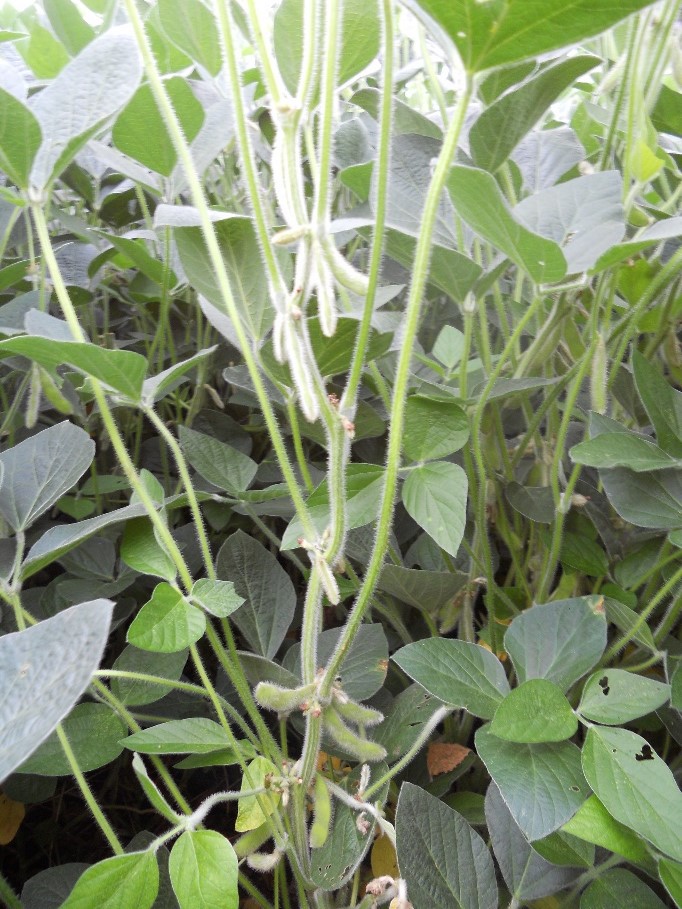
  • While August rainfall is the “soybean maker,” July rainfall is also important to the podsetting process that sets up yield potential. July rainfall was plentiful overall in Illinois, but varied from an inch or two less than normal in parts of southern Illinois to more than twice normal amounts in western and northwestern Illinois…

  • It was no surprise to see the 2025 corn yield projected at 222 bushels for Iowa, but it was surprising to see 221 bushels projected for Illinois. Ihe US yield is predicted to be 188.8 bushels per acre, 9.5 bushels higher than the previous yield record, set in 2024. So, while 2025 is set to…

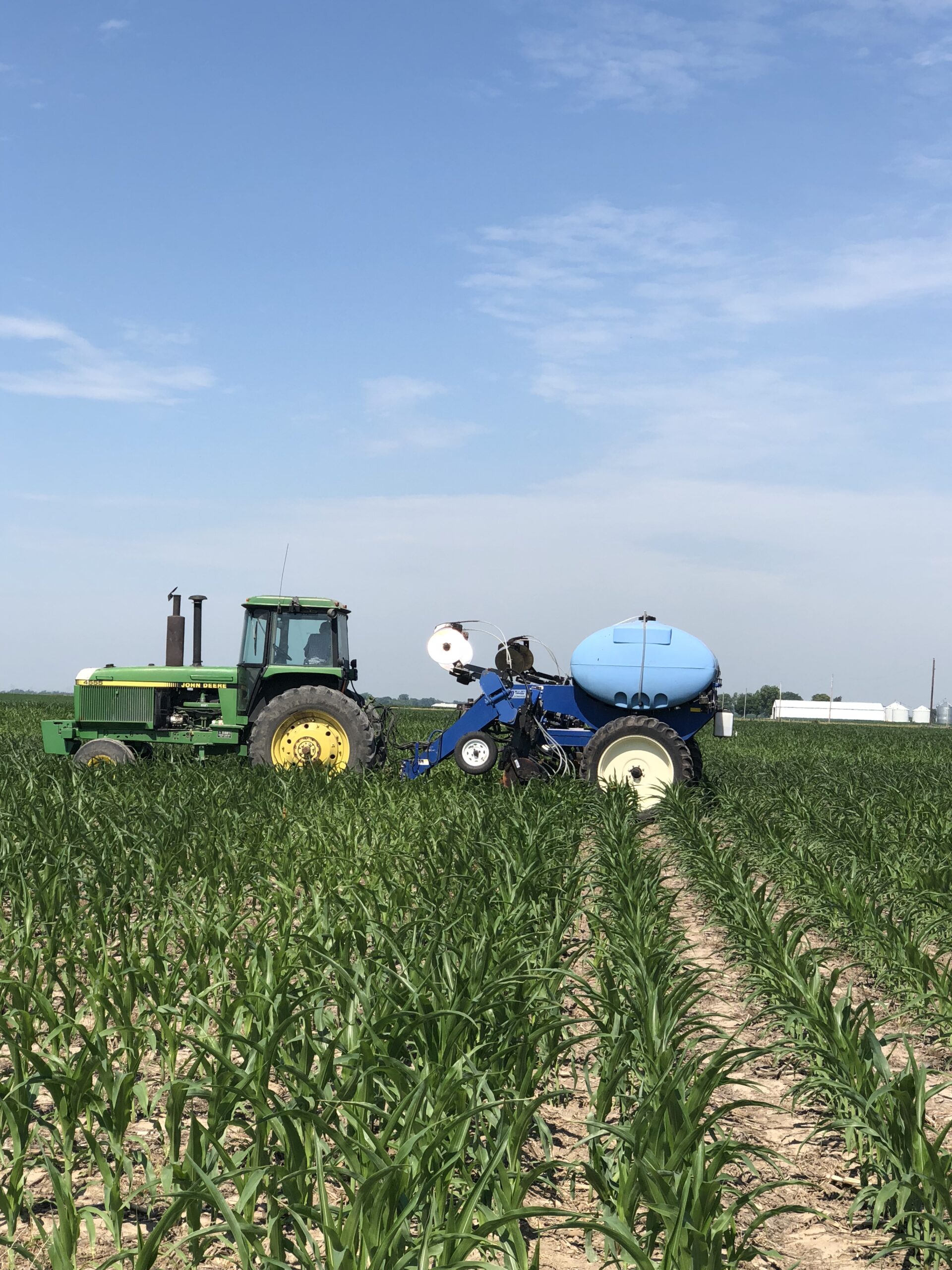
  • With high yield potential and with seed high in protein (38–40%), the soybean crop requires a lot of N—roughly 4.5 lb of N per bushel, with about 3.5 lb of that removed with the grain. A 60-bushel soybean crop (similar to the current Illinois average) would need approximately 270 lb of N per acre, while…

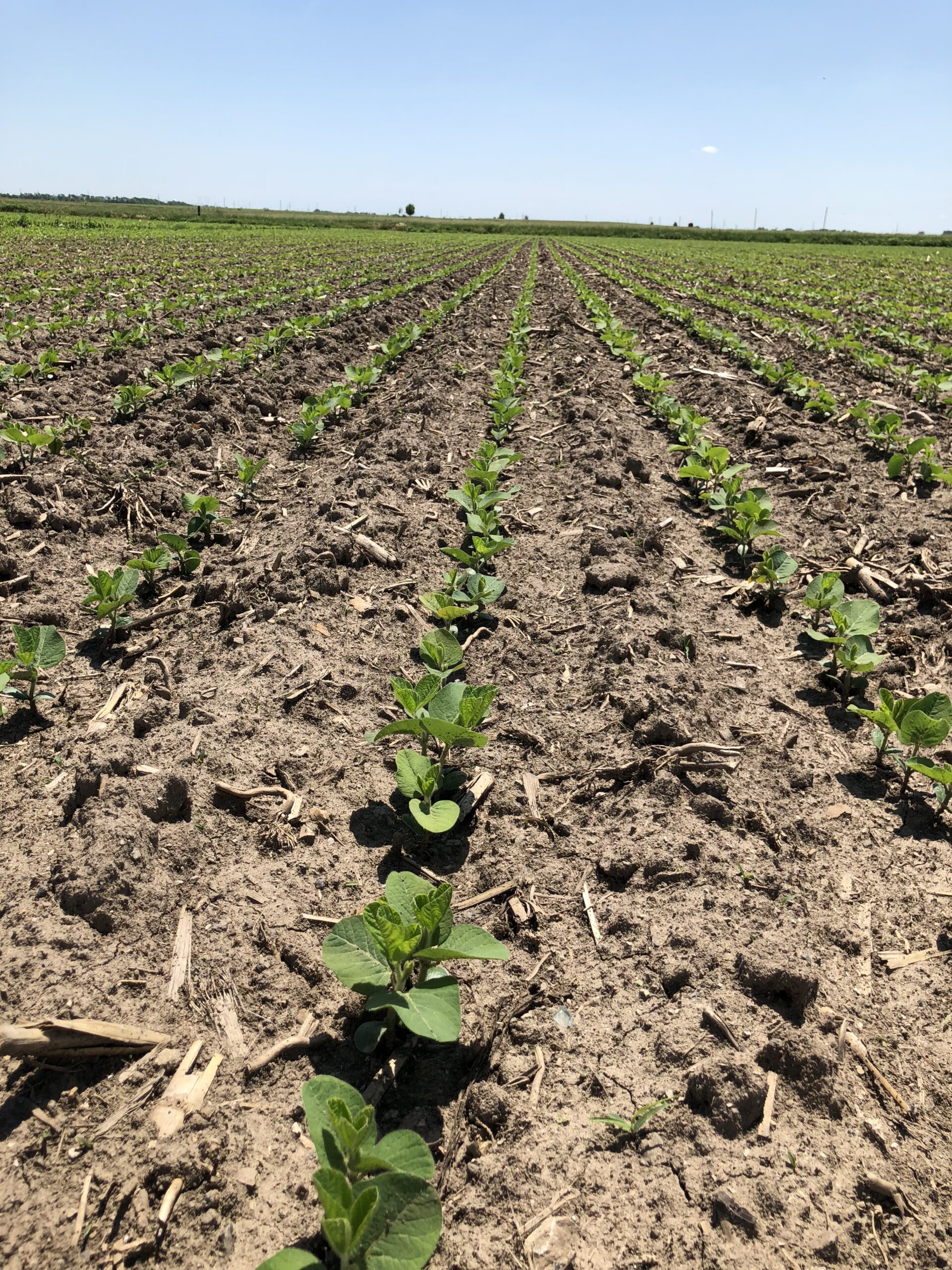
  • Overall, crop stands are good to very good across most fields, reflecting the relative freedom from heavy rain, flooding, and crusting after planting. By the beginning of June, corn that had been planted in mid-April in northern and west-northwestern Illinois was just beginning to accelerate stem growth – the process that initiates rapid growth and…

  • Seed costs for corn and soybeans have risen considerably in recent years, along with genetic yield potential and improved ability of planted seeds to emerge and establish productive plants. Here we reviewed seeding rate trials to highlight what works best in Illinois.

  • The dry weather had fields in some places dry enough to work and plant around the middle of March, and although NASS did not report any acreage of corn and soybeans planted as of March 30 (they typically use 1% as the threshold), we know that some fields were planted by the end of March.…


Blog Archive: click to read previous blogs